
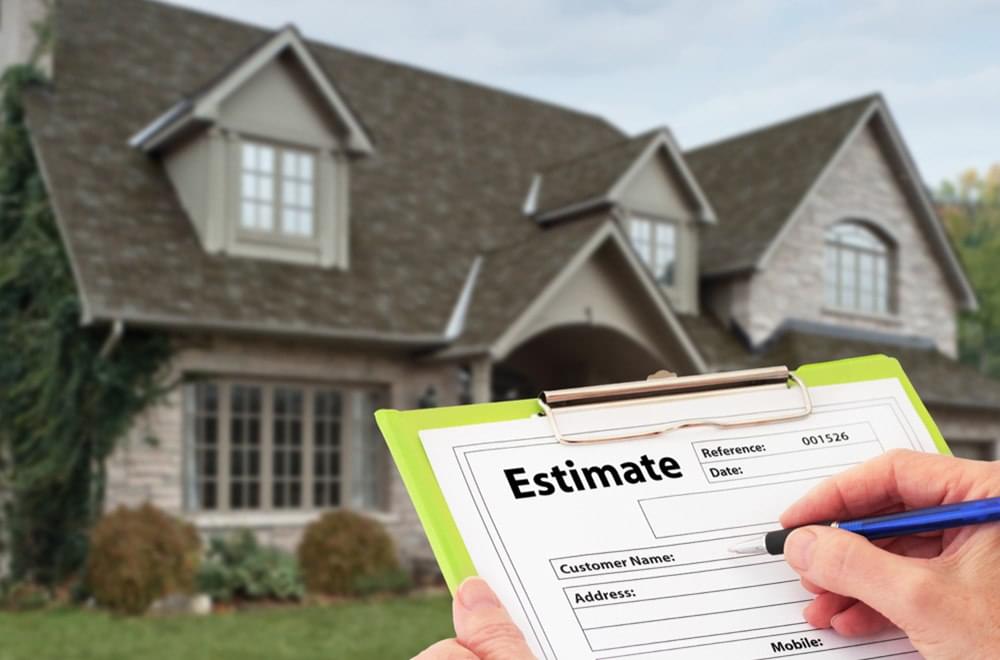
Creating a professional estimate involves a structured process. Below is a detailed approach contractors can follow.
1. Review Project Scope and Drawings
Begin by thoroughly analyzing the project documents. This includes:
Architectural drawings
Structural plans
Roofing details
Client specifications
Understanding the scope ensures that no item is overlooked. In roofing estimation in USA, small details like flashing or ventilation systems can significantly impact costs.
2. Perform Accurate Quantity Takeoff
Quantity takeoff is the foundation of any estimate. For roofing projects, you must calculate:
Total roof area (square footage)
Underlayment requirements
Flashing lengths
Ridge caps
Fasteners and accessories
Professional construction estimating relies on digital takeoff software to ensure precision and reduce manual errors.
3. Calculate Material Costs
Material costs fluctuate based on:
Market demand
Supply chain conditions
Regional availability
Seasonal trends
In roofing estimation in USA, using outdated pricing can result in financial loss. High Q Estimation uses updated cost databases to provide real-time pricing accuracy.
4. Estimate Labor Costs
Labor often accounts for a large percentage of roofing expenses. Consider:
Crew size
Skill level
Project complexity
Safety requirements
Local wage rates
Accurate labor forecasting ensures your project remains profitable while staying competitive in bids.
5. Include Overhead and Profit Margins
A complete estimate must include:
Equipment expenses
Insurance
Administrative costs
Transportation
Desired profit margin
Failing to include overhead is a common mistake among contractors.