

Maximizing Efficiency: A Guide to CPM Schedules in Modern Construction
In the fast-paced world of North American infrastructure, timing isn’t just a metric—it’s the difference between a profitable venture and a financial disaster. For developers and contractors, managing a site involves a chaotic dance of labor, materials, and machinery. To bring order to this chaos, industry leaders rely on CPM schedules.
At High Q Estimation, we understand that a successful project is built twice: first on paper through the best construction estimating services in USA, and second on the field through rigorous scheduling. This guide explores how the Critical Path Method (CPM) transforms project management and why it is the backbone of successful builds from New York to Vancouver.
What are CPM Schedules?
CPM schedules, or Critical Path Method schedules, are a step-by-step project management technique used to map out every specific task required to complete a project. Unlike simple to-do lists, a CPM schedule identifies the “critical path”—the longest sequence of dependent activities that must be finished on time for the entire project to meet its deadline.
If a task on the critical path is delayed by even one day, the entire completion date shifts. Conversely, tasks not on the critical path have “float” or “slack,” meaning they can experience minor delays without impacting the final handover.
The Relationship Between CPM and Take Offs in Construction
Before a schedule can even be drafted, an estimator must understand the scope of work. This is where take offs in construction come into play. A takeoff is the process of quantifying every single material needed for a project—from the number of steel beams to the square footage of drywall.
Without an accurate takeoff, your CPM schedules will be fundamentally flawed. You cannot schedule the time required for “drywall installation” if you don’t know exactly how many sheets are being installed. By utilizing a professional quantity takeoff service in USA & Canada, project managers ensure their timelines are based on real data rather than guesswork.
Why CPM Schedules are Essential for USA & Canada Construction
The construction landscapes in the USA and Canada are unique, often dealing with strict regulatory hurdles, varying labor union laws, and unpredictable weather patterns. CPM schedules provide the flexibility and foresight needed to navigate these challenges.
1. Risk Mitigation and Delay Analysis
In the event of a legal dispute or a delay claim, a well-maintained CPM schedule is your best defense. It provides a transparent, auditable trail of what happened on-site versus what was planned. This is why many government contracts in the USA construction estimating services sector mandate the use of CPM.
2. Improved Resource Allocation
By identifying which tasks are critical, managers can prioritize labor and equipment where they are needed most. For instance, if you are estimating drywall costs in the USA, your CPM schedule will tell you exactly when the finishing crews need to arrive to avoid bottlenecking the electrical or plumbing trades.
3. Cost Control and Budgeting
Time is money. Every day a crane sits idle on a site in Toronto or Chicago, the budget bleeds. CPM schedules allow for “cost-loading,” where specific costs are tied to schedule activities. This creates a powerful synergy between the schedule and the work performed by Canada construction estimating services.
Mastering Quantity Takeoff in Construction: The First Step to a Better Schedule
You cannot manage what you haven’t measured. Mastering quantity takeoff in construction is the prerequisite for any high-functioning CPM schedule. At High Q Estimation, we bridge the gap between “how much” and “how long.”
Professional Quantity Takeoff Service in USA & Canada
A professional takeoff involves more than just reading blueprints; it involves understanding the “means and methods” of construction. Whether it’s a residential complex in Vancouver or a commercial hub in Dallas, our top estimating services in the USA provide the granular detail needed to build a logic-driven schedule.
| Feature | Impact on CPM Schedules |
| Material Totals | Determines the duration of activities based on labor productivity rates. |
| Trade Breakdowns | Allows for the creation of specific “work packages” within the CPM logic. |
| Logistics Planning | Identifies long-lead items (like custom HVAC) that must be ordered early to stay on the critical path. |
Integrating Estimating Drywall Costs in the USA into Your Timeline
To illustrate the power of CPM, let’s look at a specific trade. Estimating drywall costs in the USA involves calculating sheets, mud, tape, and labor hours.
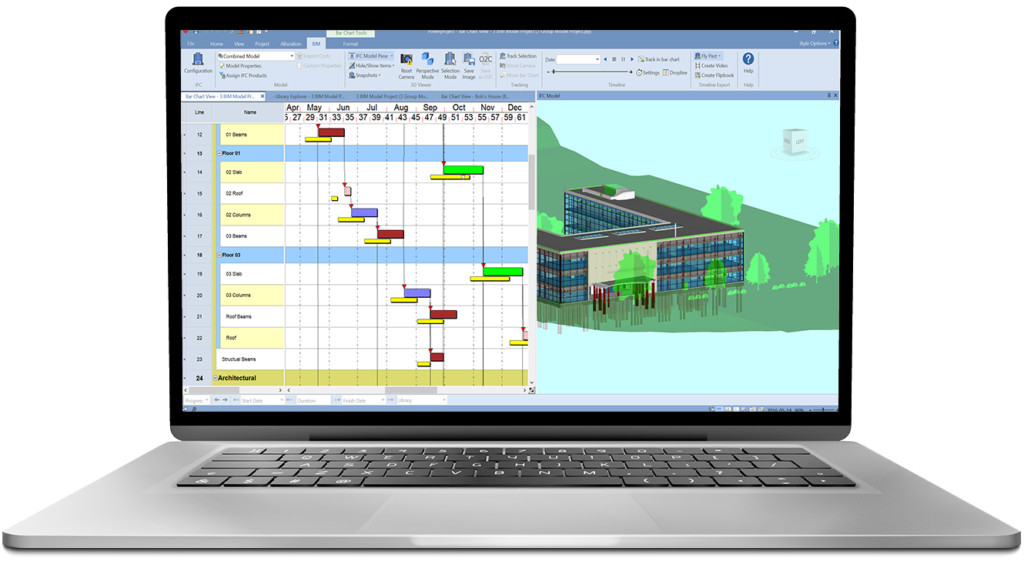
In a traditional Gantt chart, you might just see a bar labeled “Drywall.” In CPM schedules, this is broken down into:
Framing Inspection (Predecessor)
Hanging Drywall
Taping and Mudding (Drying time acts as a “Lag”)
Sanding and Prime (Successor)
By understanding these dependencies, a project manager can see that a delay in the framing inspection doesn’t just push back the drywall—it pushes back the entire finishing phase of the building.
Why High Q Estimation Offers the Best Construction Estimating Services in USA
Choosing the right partner for your pre-construction needs is vital. High Q Estimation provides a comprehensive suite of tools designed to set your project up for success.
USA Construction Estimating Services
Our team specializes in the American market, utilizing localized pricing databases (like RSMeans) to ensure your bids are competitive. We don’t just give you numbers; we give you a roadmap. Our estimates are formatted to be easily integrated into your CPM schedules, ensuring a seamless transition from the bidding phase to the construction phase.
Canada Construction Estimating Services
The Canadian market requires an understanding of metric conversions, provincial building codes, and harsh winter scheduling. We provide specialized Canada construction estimating services that account for these nuances, helping contractors from BC to Nova Scotia win more bids.
How to Create Effective CPM Schedules
Creating a schedule that actually works requires a blend of software and field experience. Here is the process we recommend:
Step 1: Define the Scope with a Takeoff
Start with a professional quantity takeoff service in USA & Canada. This gives you the “What.”
Step 2: Sequence the Activities
Determine the logic. For example, you cannot pour a concrete slab until the underground plumbing is inspected. These dependencies form the “links” in your CPM chain.
Step 3: Assign Durations
Use the quantities from your takeoff and apply standard labor productivity rates. If 1,000 square feet of flooring takes a crew 2 days, and your takeoff shows 5,000 square feet, your duration is 10 days.
Step 4: Identify the Critical Path
Input the data into software like Primavera P6 or Microsoft Project. The software will highlight the path with zero float—this is your “Critical Path.”
Step 5: Update Regularly
A schedule is a living document. Weekly updates are necessary to reflect site conditions, weather delays, or change orders.
Conclusion: The Path to Project Success
In an industry where margins are thin and deadlines are tight, guessing is not an option. By combining the precision of mastering quantity takeoff in construction with the strategic foresight of CPM schedules, you position your firm as a leader in the field.
Whether you are seeking the best construction estimating services in USA or need a reliable partner for take offs in construction, High Q Estimation is here to help. Our expertise ensures that your project is planned with accuracy, scheduled with logic, and executed with confidence.