
Estimating Drywall Costs: A Complete Guide for Accurate Construction Budgeting
Estimating drywall costs is one of the most important steps in planning any residential or commercial construction project. Whether you are a contractor, builder, or property owner, accurate drywall cost estimation helps you control your budget, avoid surprises, and submit competitive bids. In today’s construction market across the United States, drywall pricing can vary significantly based on labor rates, material quality, project size, and local conditions.
At High Q Estimation, we specialize in professional construction cost estimating services, including detailed drywall takeoffs and pricing analysis. Our goal is to help contractors win bids while maintaining profit margins through precise and reliable estimates.
In this guide, we will explain everything you need to know about estimating drywall costs, what factors influence pricing, and how professional estimating services can make a real difference in your projects.
Understanding the Basics of Estimating Drywall Costs
Estimating drywall costs involves calculating the total expenses required to install drywall in a building. This includes material costs, labor costs, equipment, waste, and finishing work. Many contractors underestimate drywall pricing because it appears simple, but in reality, it is one of the most labor-intensive trades in construction.
Drywall cost estimation must consider the total square footage, ceiling height, number of rooms, complexity of layouts, and the level of finish required. A small miscalculation can lead to budget overruns or lost profits.
This is why professional drywall estimating has become essential for contractors bidding on residential, commercial, and government projects across the USA.
Why Accurate Drywall Cost Estimation Matters
Accurate drywall estimating is not just about pricing materials. It directly affects project profitability, scheduling, and client satisfaction. When drywall costs are underestimated, contractors often face delays, disputes, or reduced margins. When overestimated, bids become uncompetitive.
In competitive construction markets like California, Texas, Florida, and New York, precise estimating is often the difference between winning and losing a contract.
At High Q Estimation, we focus on delivering realistic and data-backed drywall cost estimates that reflect current market pricing and labor rates.
Why Accurate Drywall Cost Estimation Matters
Several factors influence the overall cost of drywall installation. Understanding these elements is essential for accurate estimating drywall costs.
The first major factor is material type. Standard drywall, moisture-resistant drywall, fire-rated drywall, and soundproof drywall all come at different price points. The thickness of the drywall sheets also affects pricing, with thicker boards costing more.
Labor costs play an equally important role. Labor rates vary from state to state and even city to city. In high-demand areas, labor can account for more than half of the total drywall cost.
Project size and complexity also impact pricing. Large commercial projects benefit from economies of scale, while small residential jobs often have higher per-square-foot costs. Complex layouts, curved walls, and high ceilings increase labor time and installation difficulty.
Finishing level is another critical factor. Level 1 and Level 2 finishes are commonly used in garages or utility spaces, while Level 4 and Level 5 finishes are standard for residential and commercial interiors. Higher finish levels require more labor, materials, and time.
Average Drywall Costs in the USA
While prices fluctuate depending on location and market conditions, drywall installation in the USA generally ranges between $1.50 to $3.50 per square foot. This includes materials and labor.
For basic residential projects, drywall material costs usually range from $0.40 to $0.70 per square foot. Labor costs can range from $1.00 to $2.50 per square foot depending on complexity and location.
Commercial drywall projects typically cost more due to higher labor rates, code requirements, and larger-scale installations. Fire-rated assemblies and sound-rated walls also increase costs.
Because these numbers change frequently, relying on outdated pricing can lead to inaccurate estimates. This is why professional estimating services are essential for up-to-date and market-aligned cost projections.
The Role of Professional Drywall Estimating Services
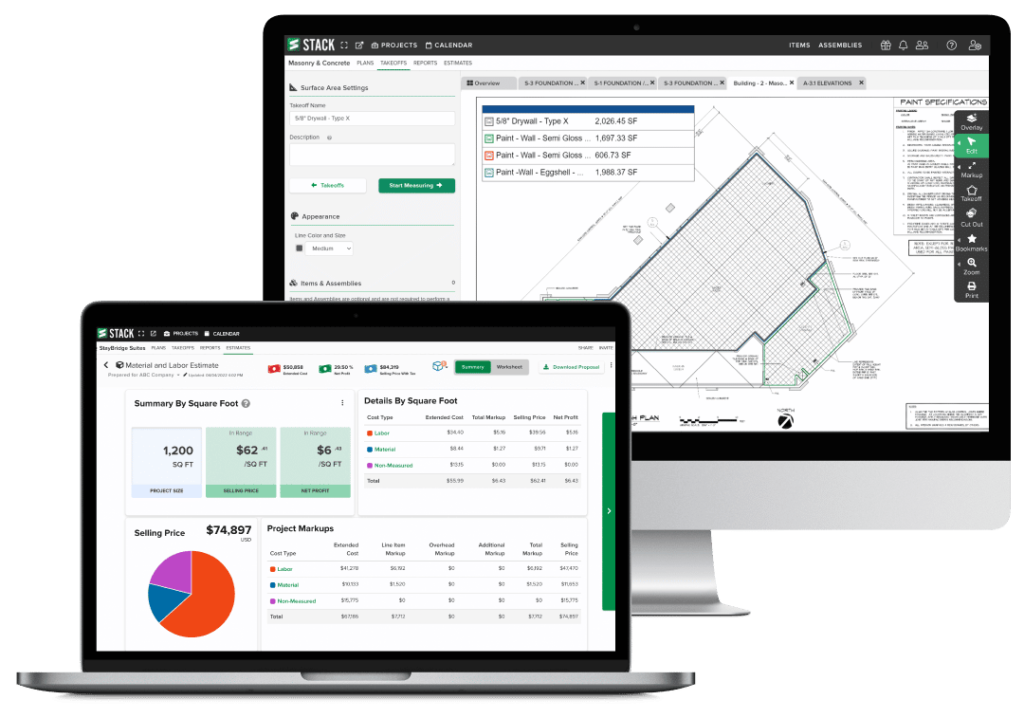
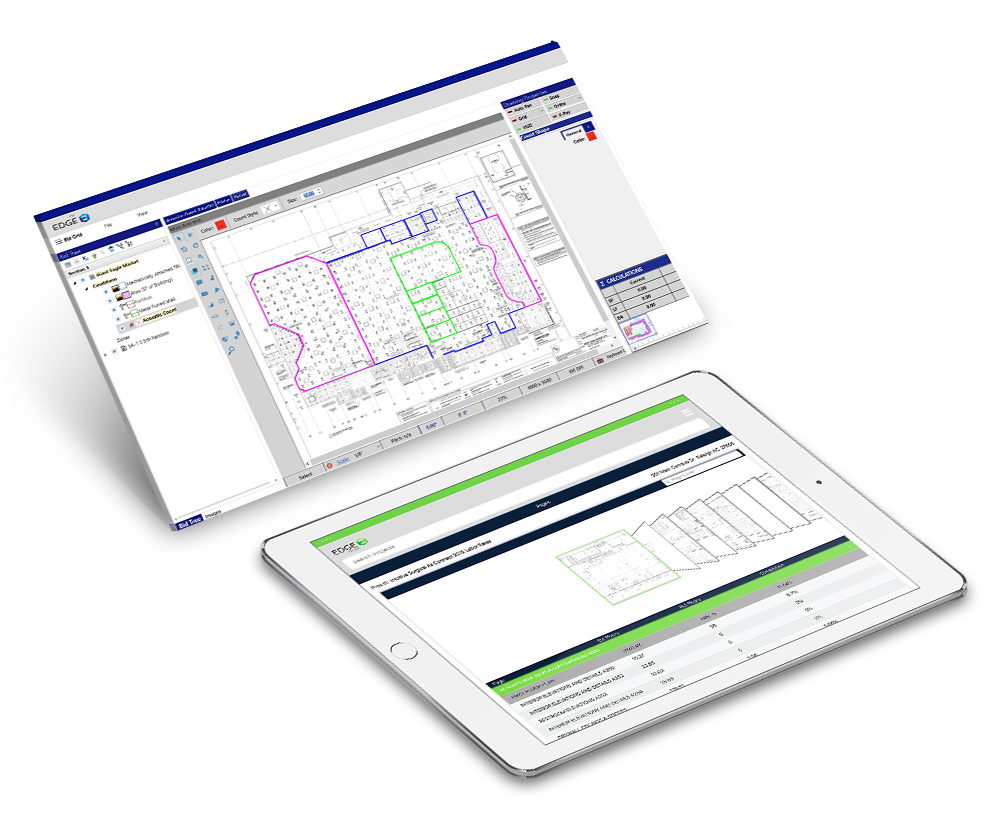
Professional drywall estimating services eliminate guesswork and reduce financial risk. At High Q Estimation, we use industry-standard software, current labor rates, and detailed quantity takeoffs to produce accurate estimates.
Our estimating process includes:
• Detailed drywall quantity takeoffs
• Labor and material cost analysis
• Waste factor calculations
• Compliance with local building codes
• Final bid-ready estimates
By outsourcing drywall estimation, contractors save time and gain confidence in their bids. This allows them to focus on project execution rather than manual calculations.
Why Contractors Choose High Q Estimation
High Q Estimation has built a strong reputation for providing reliable construction estimating services across the USA and Canada. We understand the challenges contractors face and deliver solutions tailored to real-world construction needs.
Our drywall estimating services are trusted by:
• General contractors
• Subcontractors
• Developers
• Remodeling companies
• Commercial builders
We ensure that every estimate is accurate, transparent, and aligned with current market conditions.
What sets us apart is our attention to detail, fast turnaround time, and commitment to helping our clients win more projects without sacrificing profit.
Common Mistakes in Estimating Drywall Costs
One of the most common mistakes is underestimating labor hours. Drywall installation involves multiple stages including hanging, taping, mudding, sanding, and finishing. Each step requires time and skilled labor.
Another common mistake is ignoring waste factors. Cutting drywall generates waste, and failing to account for it can lead to material shortages.
Many contractors also forget to include finishing levels, corner beads, joint compound, and fasteners in their estimates. These small items add up quickly and can significantly impact the final cost.
Using outdated pricing data is another major issue. Material prices fluctuate regularly, and relying on old estimates can result in inaccurate bids.
How High Q Estimation Improves Accuracy and Profitability
At High Q Estimation, we use real-time pricing data and proven estimation methodologies to ensure accuracy. Our team analyzes every project in detail to provide realistic cost projections.
We also customize estimates based on project scope, location, and client requirements. Whether you are working on a residential home or a large commercial facility, our drywall estimates are tailored to your specific needs.
By outsourcing estimating to professionals, contractors reduce risk, save time, and increase their chances of winning profitable projects.
Final Thoughts on Estimating Drywall Costs
Estimating drywall costs accurately is essential for successful construction projects. From material selection to labor calculations, every detail matters. In today’s competitive construction industry, accurate estimates are not optional—they are a necessity.
High Q Estimation provides reliable, professional drywall estimating services designed to help contractors stay competitive and profitable. Our expertise, accuracy, and commitment to quality make us a trusted partner for construction projects across the USA.
If you want accurate drywall estimates that help you win more bids and avoid costly mistakes, High Q Estimation is here to help.