
How to Hire a Home Construction Estimator
Hiring the right Home Construction Estimator is one of the smartest moves you can make when planning a new home build. Whether you’re a homeowner building your first house or a contractor managing multiple residential projects, having a reliable estimator ensures your budget is realistic, accurate, and well-structured.
In this blog, we’ll walk you through the steps of hiring a qualified estimator, what to look for, what questions to ask, and how the right decision can save you time and thousands of dollars.
A Home Construction Estimator plays a critical role in determining the total cost of a project—covering labor, materials, permits, equipment, and more. With accurate estimates, you can make informed financial decisions, minimize risk, and keep your project on schedule and budget.
Without a proper estimator, you could face costly overruns, delays, or underestimated bids that lead to cut corners and compromises in quality.
Step 1: Understand the Role of a Home Construction Estimator
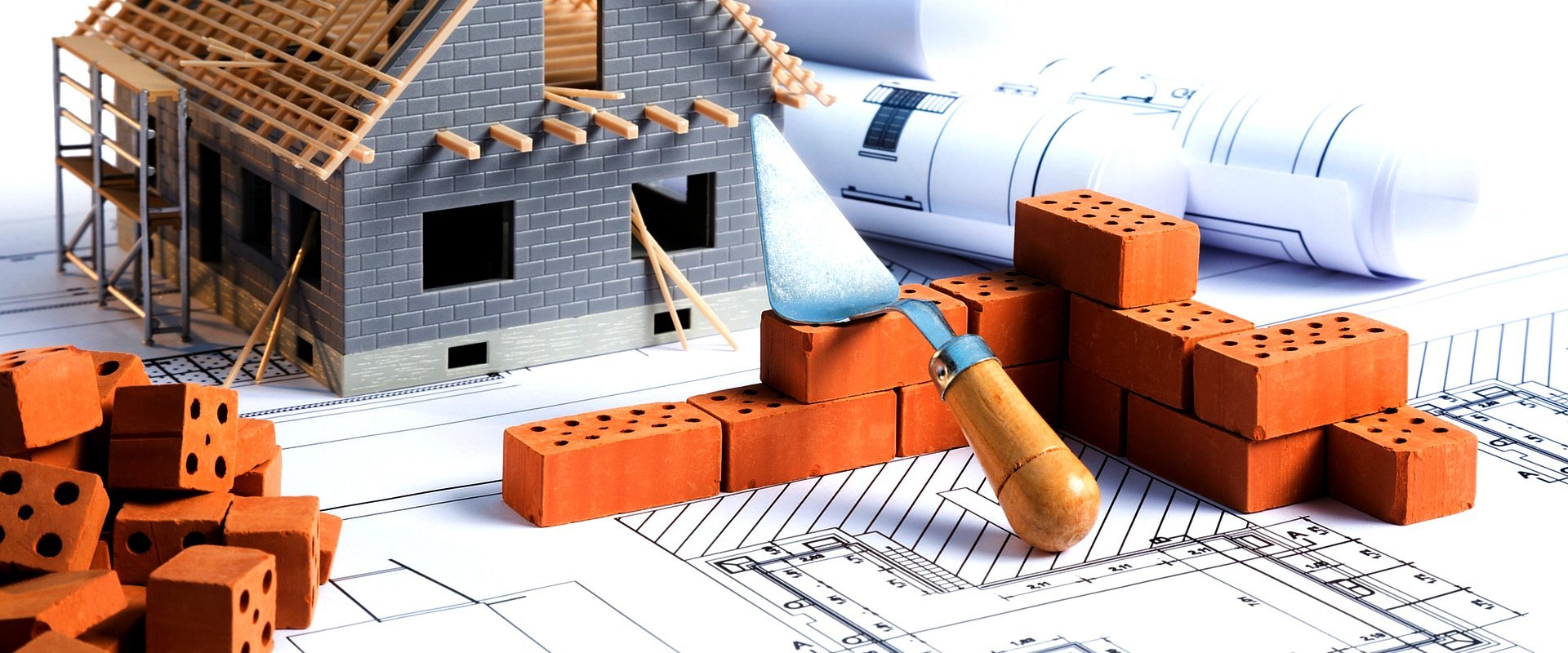
Before hiring, it’s essential to understand what a Home Construction Estimator does. Their job includes:
- Reviewing architectural plans and drawings
- Performing material quantity takeoffs
- Calculating labor, equipment, and overhead costs
- Providing a detailed breakdown of expenses
- Adjusting estimates as designs or material prices change
This expert is not just a number cruncher—they’re a project planning partner.
A good residential construction estimator knows how to identify cost-saving opportunities while maintaining quality. They also bring industry-standard tools and local cost data to ensure your budget is aligned with current market conditions.
Step 2: Decide Between In-House vs. Outsource Estimating
One of the first decisions you’ll make is whether to hire in-house or outsource construction estimating services.
In-House Estimators
- Ideal for larger construction companies with ongoing projects
- Costly due to salaries, benefits, and software costs
- May lack flexibility during off-peak periods
Outsourced Estimators
- Great for contractors, builders, or homeowners doing one-time or occasional projects
- Cost-effective, with services provided on-demand
- Access to experienced professionals without long-term commitment
If you’re seeking flexibility and affordability, outsourcing construction estimating is a smart choice.
Step 3: Look for Relevant Experience
Not all estimators are equal. You want someone with experience in residential construction—ideally someone who understands the specifics of homebuilding, from single-family houses to duplexes and custom homes.
Ask for:
- Past residential projects
- Familiarity with local building codes and permit fees
- Experience with similar project sizes and complexity
Someone who has done residential construction estimating in your area will be more accurate and reliable.
Step 4: Evaluate Their Estimating Process
A professional Home Construction Estimator should follow a transparent and detailed process. When evaluating candidates, ask about:
- The software they use (e.g., PlanSwift, Bluebeam, RSMeans)
- How they handle plan changes or design revisions
- How they calculate contingencies for unexpected costs
- How they manage communication with clients or contractors
Understanding their workflow helps you see whether their estimates are just guesses or carefully calculated projections.
Step 5: Ask for a Sample Estimate
Don’t just rely on testimonials. Ask potential estimators to share a sample estimate from a past project (with sensitive info redacted). This allows you to:
- Judge the level of detail and organization
- Understand how clear and easy it is to follow
- See how labor, materials, and subcontractors are calculated
- Spot if they include line-item contingencies and markups
A sample also helps you compare estimators on equal footing before hiring.
Step 6: Check References and Credentials
Your Home Construction Estimator should have a track record you can trust. Ask for:
- Client references (especially for residential work)
- Professional certifications or memberships (e.g., AACE, ASPE)
- A portfolio of completed work
A well-qualified residential construction cost estimator will be transparent and eager to prove their credibility.
Step 7: Ensure Clear Communication
Construction estimating involves collaboration. Whether you’re a homeowner or a builder, you need someone who communicates clearly and responds promptly.
Look for an estimator who:
- Answers your questions in plain language
- Keeps you updated during the estimate development
- Can explain why costs fluctuate or where savings exist
Miscommunication in estimating leads to mistakes—and expensive ones.
Step 8: Compare Pricing and Turnaround Time
Cost matters, but the cheapest option isn’t always the best. When reviewing bids:
- Compare flat fees vs. hourly rates
- Clarify what’s included (e.g., revisions, follow-up consultations)
- Ask how quickly they can deliver an estimate
Professional home construction estimating should balance cost with reliability. The right partner will provide both competitive rates and professional-grade results.
Red Flags to Avoid When Hiring
Watch out for these warning signs:
- Vague or unclear estimates
- Lack of residential project experience
- No references or sample estimates
- Limited knowledge of local costs or codes
- Delayed communication or missed deadlines
If you notice any of these issues, it’s best to keep searching.
Conclusion: Hire with Confidence, Build with Clarity
Hiring a Home Construction Estimator is not just about getting a number on paper—it’s about gaining control over your construction budget, timeline, and overall success. The right estimator will bring clarity, precision, and strategy to your project planning.
Whether you choose to outsource construction estimating or hire in-house, make sure your estimator has the experience, tools, and communication skills to guide your project from concept to completion.
At High Q Estimation, we specialize in residential construction estimating and provide tailored services for homeowners, builders, and developers across the U.S. and Canada. Contact us today for a free consultation and discover how much smarter your next project can be—with the right estimator on your team.